
Menu
As international economic integration continues to deepen, a company's competitiveness is no longer determined solely by product quality, technology, or production capacity. It also depends on its ability to access markets, build relationships, and connect with the right partners. From initial meetings to long-term cooperation agreements, building international partner networks has become an increasingly important strategy for Vietnamese businesses seeking to expand their growth opportunities.
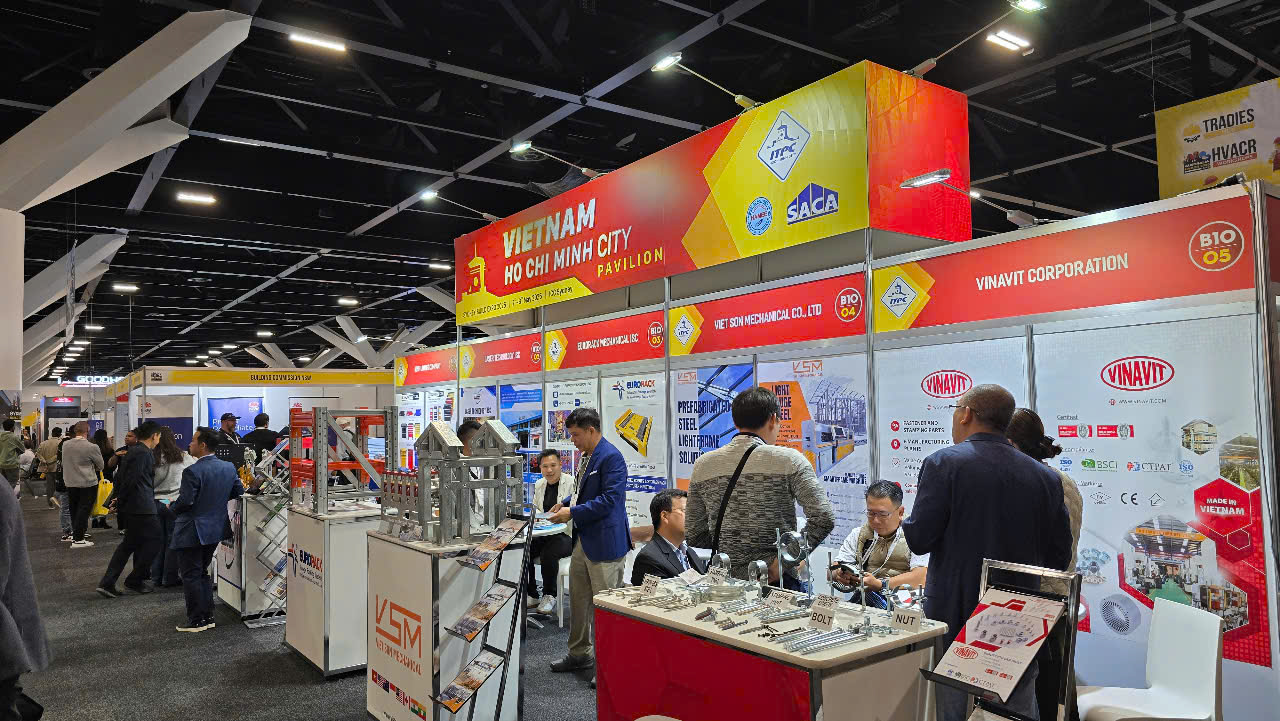
International Connections – A Competitive Advantage in an Integrated Economy
In today's global business environment, development opportunities are no longer confined to domestic markets. Vietnamese businesses are increasingly well-positioned to participate in international supply chains, access new technologies, expand trade activities, and pursue investment partnerships with foreign counterparts.
In particular, the construction and building materials industries are facing significant growth opportunities driven by investment capital flows, infrastructure development, urbanization, and the growing trend toward green construction. These opportunities extend beyond material manufacturers to contractors, design consultants, architects, construction technology providers, interior businesses, and companies offering integrated solutions for construction projects.
However, market opportunities do not automatically translate into orders or business contracts. A company with high-quality products may still struggle to reach the right distributors; a capable manufacturer may find it difficult to identify partners in international supply chains; and a business with innovative technology still needs effective channels to access target markets and customers.
This reality highlights the importance of proactively developing high-quality international business networks alongside investments in internal capabilities. The ability to connect with the right partners, in the right industries, at the right time can create a significant competitive advantage for businesses seeking sustainable growth.
Barriers Preventing Businesses from Turning Opportunities into Partnerships
Despite the considerable potential for international cooperation, many Vietnamese businesses continue to face challenges when approaching foreign partners.
First, limited market information and business networks. Not every company has sufficient resources to conduct in-depth research into international markets, identify potential partners, and directly approach organizations and businesses with cooperation potential.
Second, gaps in standards and compliance capabilities. In the construction and building materials industries, international partners often place strong emphasis on product quality, certifications, technical standards, supply capacity, traceability, and environmental and sustainability requirements.
Third, differences in business culture and practices. Language barriers, commercial customs, negotiation processes, and legal requirements in different markets can create significant challenges for businesses with limited international experience.
Fourth, a lack of strategies for maintaining relationships after initial connections. Many business meetings end with exchanging business cards and introducing products, without being followed by specific action plans, cooperation proposals, or in-depth discussions.
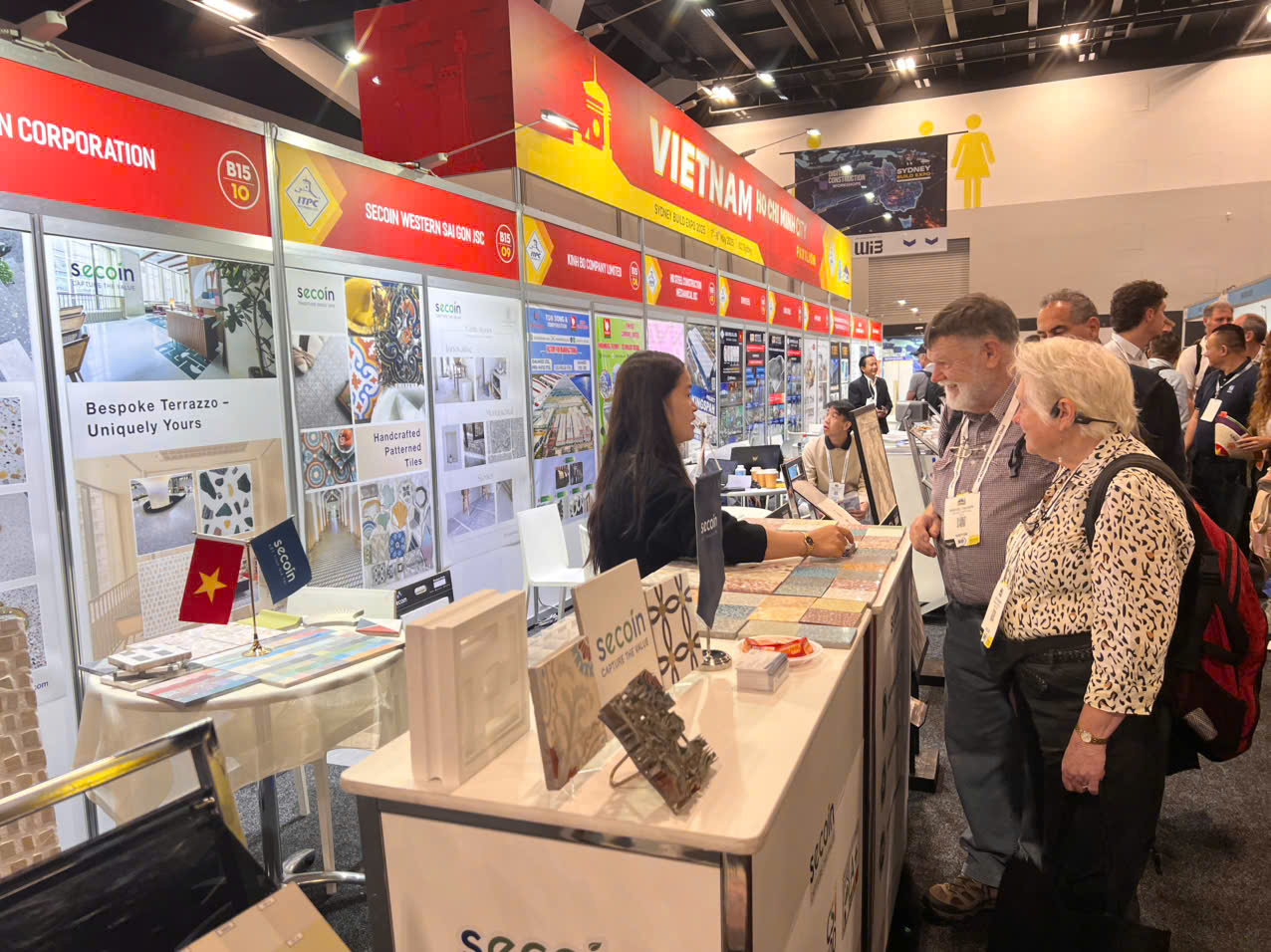
Therefore, international networking should be viewed as a strategic and continuous process rather than simply a networking activity or a short-term opportunity-seeking exercise.
Five Steps to Turn Business Connections into Meaningful Partnerships
1. Clearly Define Objectives and Target Partners
Before participating in a networking event, businesses should clearly identify their needs: finding importers, distributors, raw material suppliers, technology partners, investors, or opportunities to participate in construction projects. Defining clear objectives helps businesses select suitable partners, save time, and improve communication effectiveness.
2. Professionalize Corporate Profiles and Brand Image
A professional corporate profile is an essential tool for approaching international partners. It should clearly present the company's business activities, production capacity, product portfolio, representative projects, quality certifications, supply capabilities, and competitive advantages. In particular, businesses should prepare English-language materials, product catalogues, project portfolios, and contact information for their international business development representatives.
3. Proactively Research Potential Partners Before Meetings
Rather than approaching all participants indiscriminately, businesses should research the countries, industries, markets, and business needs of potential partners in advance. For construction and building materials companies, identifying whether a potential partner is a manufacturer, distributor, main contractor, project owner, or consulting firm will help them develop more relevant and effective discussions.
4. Present Specific and Mutual Business Value Propositions
International partners are not only interested in what products a company offers, but also in the value it can bring to their business. This may include manufacturing capabilities, competitive pricing, distribution networks, stable supply capacity, technology, green building material solutions, or the ability to collaborate on project implementation. A clear, practical, and feasible cooperation proposal provides a stronger foundation for successful negotiations.
5. Maintain Connections and Build Long-term Relationships
Following each meeting, businesses should proactively send thank-you emails, corporate profiles, product information, and proposals for subsequent discussions. More importantly, they should maintain regular communication, share updates, and continuously engage with partners to gradually build trust. In international business, a sustainable relationship can open up numerous cooperation opportunities that go far beyond the value of a single transaction.
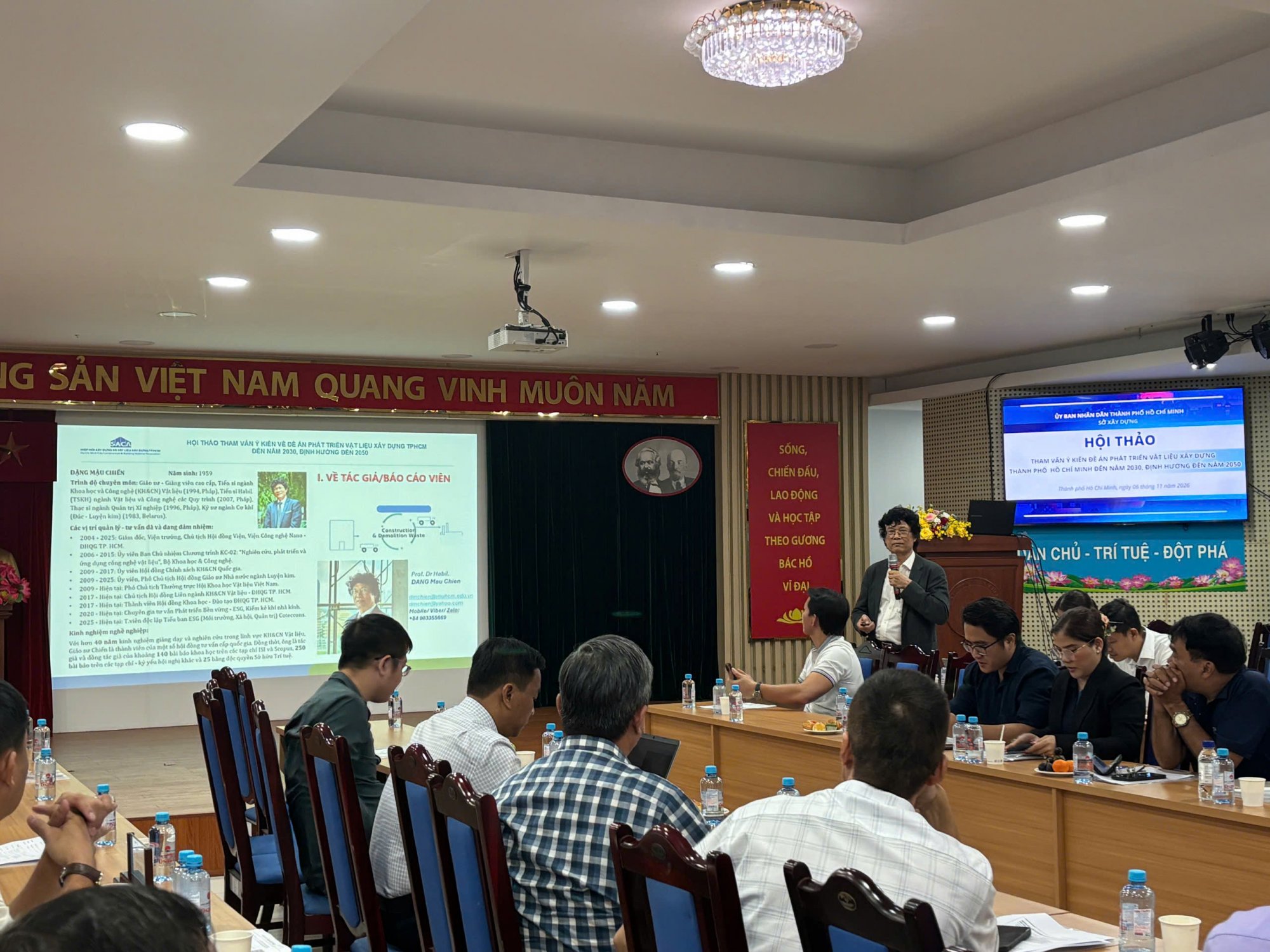
The Role of Chambers of Commerce and Business Associations in the International Networking Ecosystem
One effective way for businesses to shorten the process of entering international markets is to participate in networks of Chambers of Commerce, business associations, and trade promotion organizations.
These organizations connect business communities by country, industry, and business sector. They also facilitate market information exchange, introduce potential partners, organize trade networking activities, and promote bilateral and multilateral cooperation programs.
For small and medium-sized enterprises (SMEs), accessing international markets through these organizations can help overcome limitations in resources, market information, and international business experience.
In particular, given the interconnected and multidisciplinary nature of the construction and building materials industries, the participation of international organizations creates opportunities for businesses to connect not only with industry peers but also with the broader ecosystem, including finance, logistics, technology, investment, architecture, and sustainable development.
This provides a foundation for building deeper business relationships, strengthening competitiveness, and enhancing the position of Vietnamese businesses in global value chains.
---------------
INTERNATIONAL NETWORKING 2026 – Connecting Nearly 20 Chambers of Commerce and International Organizations to Expand Global Business Opportunities
With the vision of promoting trade, expanding partner networks, and strengthening international cooperation for the business community, the Ho Chi Minh City Construction & Building Material Association (SACA) is organizing INTERNATIONAL NETWORKING 2026 – INTERNATIONAL BUSINESS CONNECTIONS, under the theme: “BUILDING TOGETHER – CONNECTING GLOBAL OPPORTUNITIES.”
The event is being organized in coordination with nearly 20 Chambers of Commerce, business associations, and domestic and international trade promotion organizations. It is expected to welcome approximately 200 delegates, including business leaders, investors, trade organizations, and representatives from various industries.
Through this event, SACA aims to establish an effective bridge between Vietnamese businesses and the international business community, while strengthening the Association's role in supporting its members in expanding markets, developing strategic partnerships, and enhancing their international integration capabilities.
EVENT INFORMATION
• Date & Time: 17:00 – 20:30, Monday, November 30, 2026
• Venue: Kim Do Hotel, 133 Nguyen Hue Street, Sai Gon Ward, Ho Chi Minh City, Vietnam.
CONTACT INFORMATION
• Registration: Ms. Pham Gia Ngoc – +84 938 578 356


